
Our research
Molecular Targets and Biological Systems
Amyloids
Amyloid formation is associated with Alzheimer's, Parkinson's, and type 2 diabetes, but the amyloid structure itself is not inherently pathological. Functional and disease-associated fibrils can share a cross-β architecture: hydrogen-bonded β-strands packed into ordered sheets. That common architecture cannot, by itself, predict biological effects. Bacterial curli support biofilms, while some peptide hormones use amyloid-like assemblies for dense storage and regulated release. The distinction depends on sequence, assembly intermediates, and the surrounding environment. Amylin regulates metabolism but is associated with β-cell dysfunction when it aggregates; β-endorphin is a functional neuropeptide that can also form amyloid-like structures.
We ask what molecular features distinguish these pathways.
In addition to studying amyloids in isolation, we also investigate the intersection between amyloids and the following environments.
Membrane
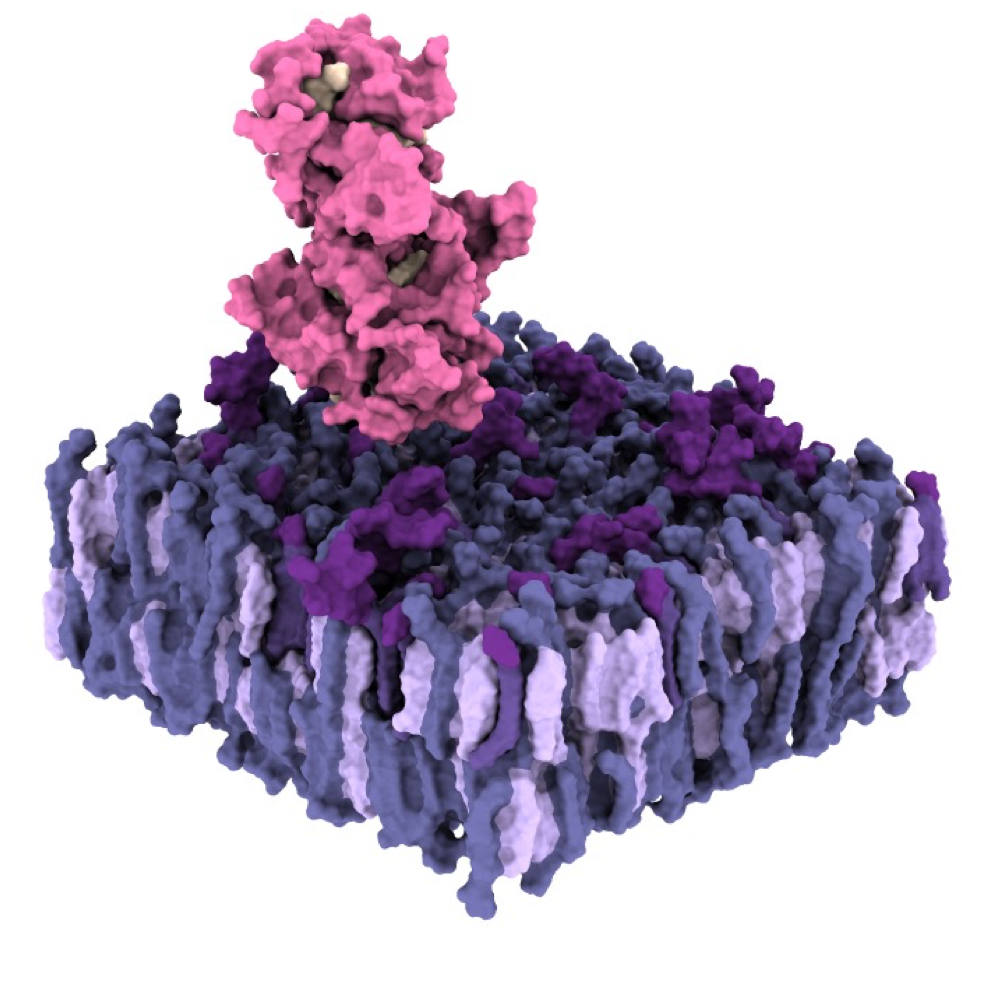
We utilize published experimental lipidomics to generate complex, biologically mimetic membranes to model physiologically relevant systems in human disease. These detailed membrane systems provide atomistic data with field-leading complexity, informing novel mechanisms of proteomic disease and targeted therapeutic development.
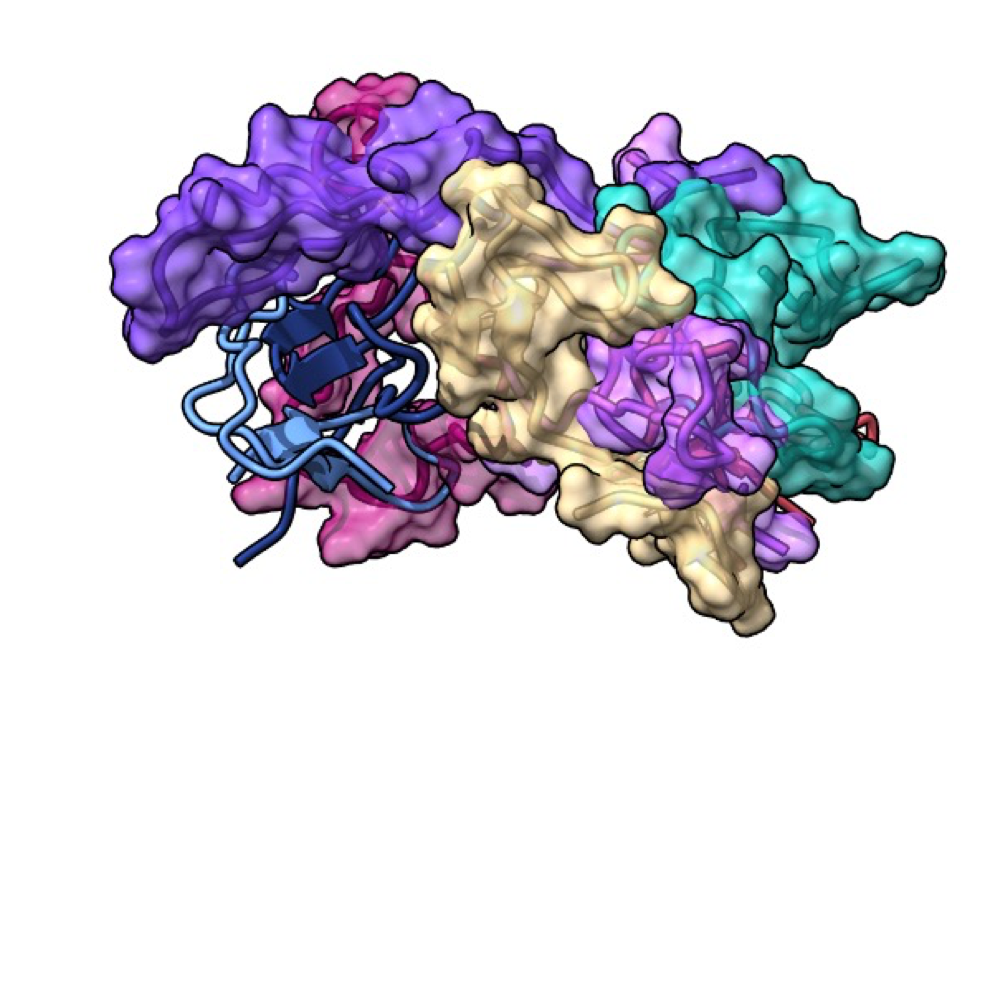
Amyloids are involved in numerous diseases, whether as a primary or other agent, and have been identified to interact across such disease states, causing more advanced pathologies than a single amyloidogenic disease alone. To evaluate the mechanisms of these comorbid interactions, we simulate amyloid-β coaggregation with amyloidogenic peptides which are associated with a known comorbid disease at a model membrane interface.
Co-Morbid Disease States
Free Lipids
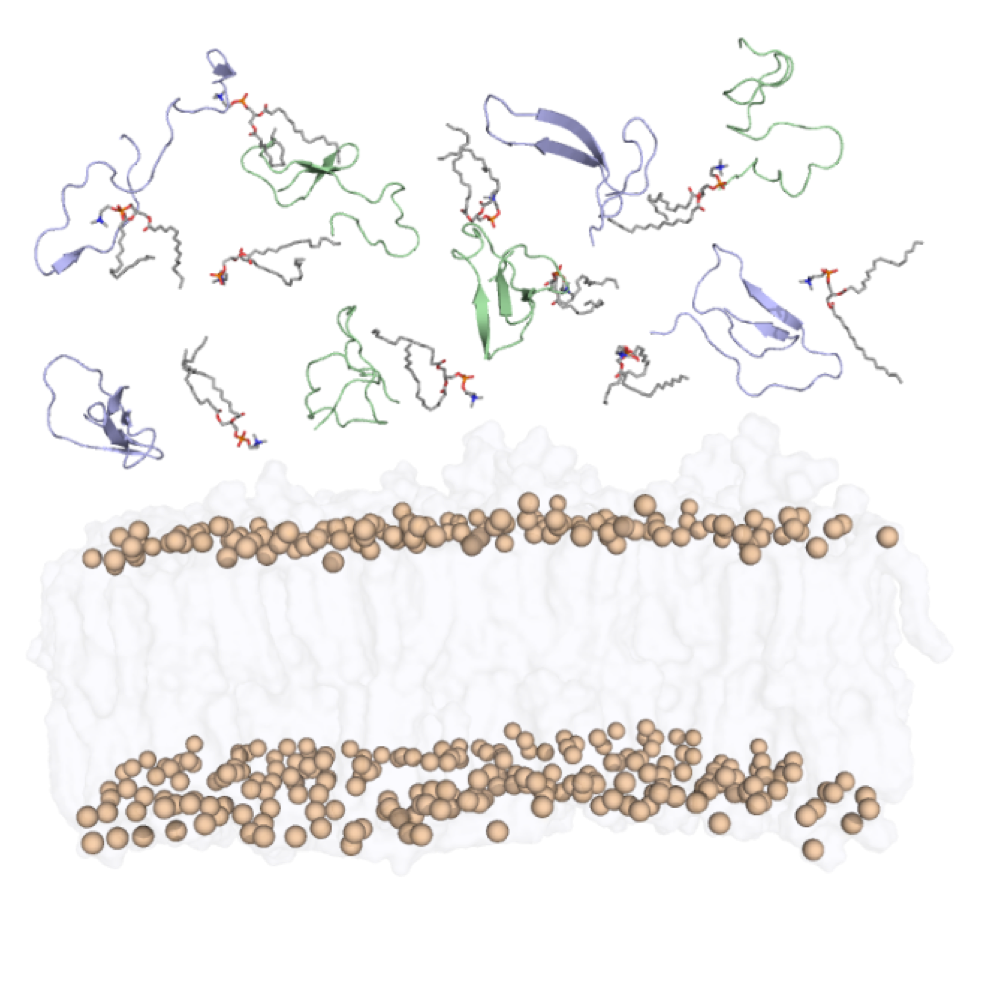
Current literature suggests free lipids in the aggregation environment may chaperone the oligomerization of amyloid-β, modulating the mechanisms of the disease pathway and oligomer cytotoxicity. We utilize free POPC in simulations of amyloid aggregation to model the hydrophobic core packing associated with cytotoxic oligomerization and membrane perturbation in amyloidogenic diseases.
GLP-1
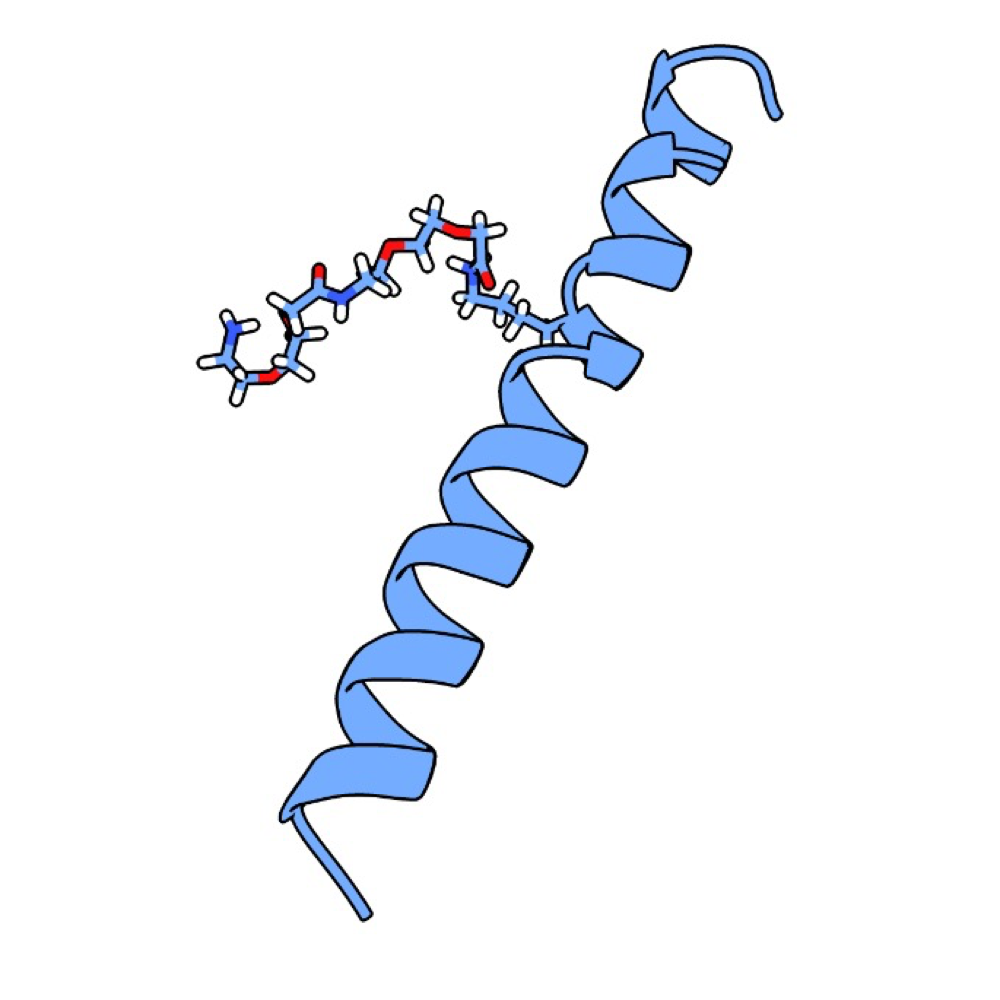
The influence of rapidly increasing clinical use of synthetic GLP-1RAs has caused critical need to evaluate the effects of these biologics on age associated disease pathways, particularly in peptide aggregation diseases. To evaluate this influence in Alzheimer’s disease, we simulate membrane-associated amyloid-β aggregation with both native and synthetic GLP1-RAs, exploring potential off-target effects and influences on existing mechanisms of disease.
NDH2
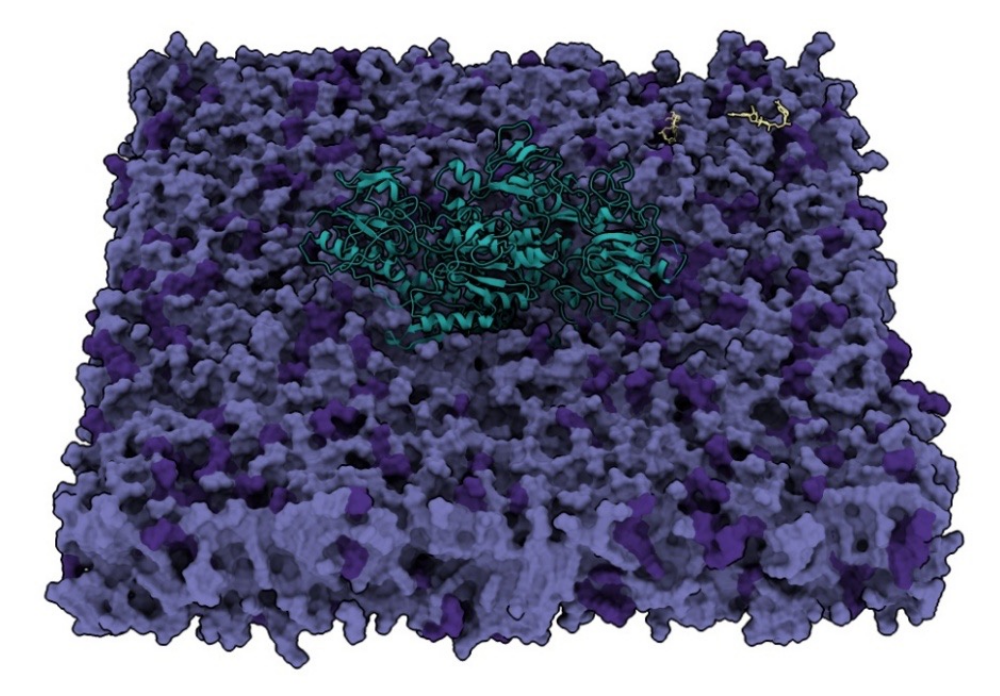
Through an Army Research Office sponsored Multi-University Research Initiative (MURI), in partnership with Rice University and Tufts University, we explore control of electrobiological systems in L. plantarum via Type-II NADH:quinone oxidoreductase (NDH2). NDH2 is a large, transmembrane homodimer which generates electron flux in these common gut microbes, and may be harnessed for increased metabolic energy production and tuned control through nanosensing technologies.
Bio-Nanomaterials
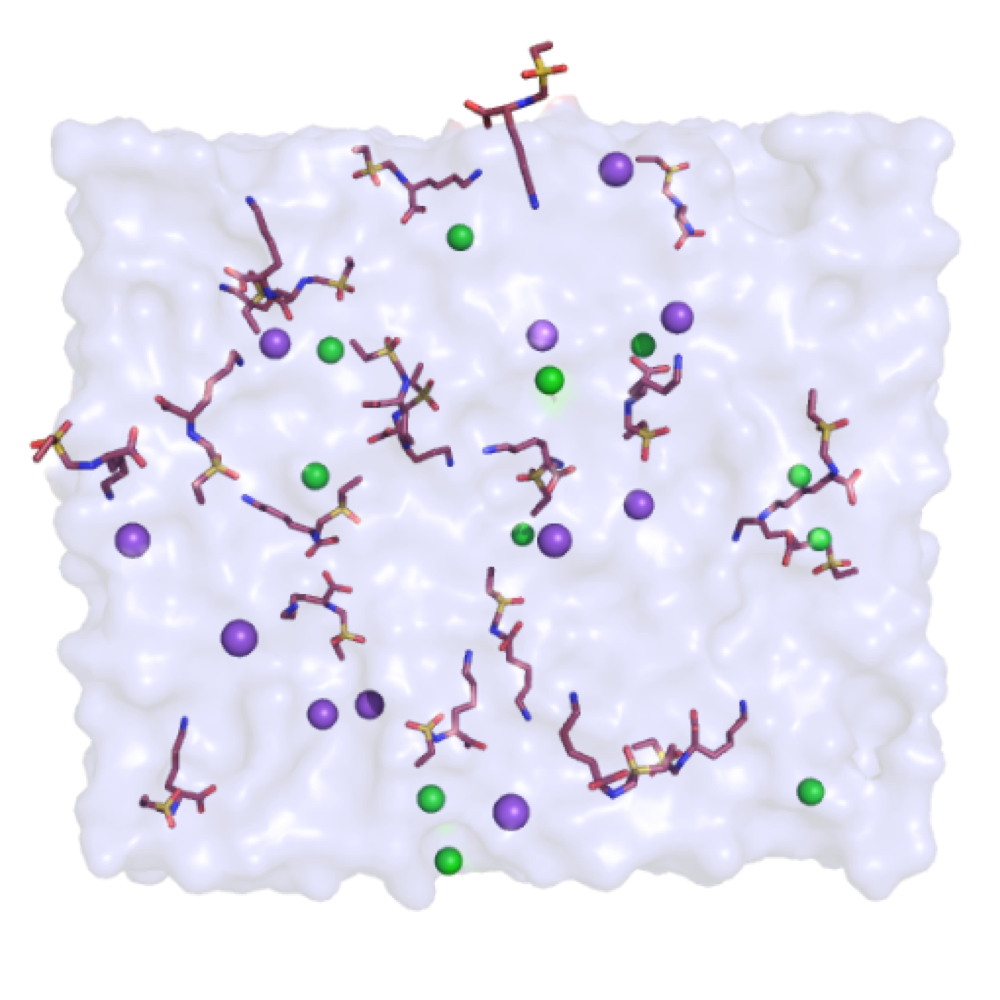
In cross-departmental collaboration, we are simulating the key nano-folding events associated with the generation of novel bio-nanomaterials with implications in drug delivery, manufacturing, and materials synthesis.
Our research makes use of a wide range of open source and proprietary methods, with a constant emphasis on implementing innovative methods to improve the accuracy, validity, and reliability of our findings. Check out our Publications to read about these methods in action!